How to Build Everyday Learning Into Your Child’s Routine at Home

Many parents worry they’re not doing ‘enough’ to support their child’s learning at home. Every parent wants to help their child grow and develop, but not every family wants formal lessons at the kitchen table.
In this guide, we will show how everyday learning for kids happens naturally through simple, everyday moments that quietly support your child’s development without adding pressure to family life.
What Everyday Learning for Kids Really Means in Early Childhood
Everyday learning for children happens through ordinary experiences such as talking, playing, eating, and engaging with their surroundings. In early childhood learning, young children absorb skills best through repetition, interaction, and curiosity rather than structured activities.
Why Everyday Routines Are So Powerful for Young Children’s Learning
Daily routines help children feel safe, confident, and ready to learn. Research shows that around 90 per cent of a child’s brain development happens before the age of five, making everyday interactions especially valuable during these years. Simple routines strengthen language, emotional understanding, and problem-solving.
Simple Ways to Turn Daily Routines Into Learning Moments
Small changes can create meaningful learning opportunities. Before we look at examples, remember that the goal is connection, not perfection.
Morning Routines That Support Language and Independence
Talking through dressing, naming clothing, and offering simple choices builds language and independence. Letting toddlers try small tasks themselves encourages confidence, focus, and patience.
Mealtimes as Natural Learning Opportunities
Mealtimes support counting, colours, and conversation. Passing food, using utensils, and talking about tastes are excellent activities for toddlers that strengthen coordination and communication skills.
Travel, Errands, and Outdoor Time as Learning Experiences
Walking to the shops or visiting the park builds awareness. Asking what your child notices supports curiosity, listening skills, and real-world understanding.
Play-Based Activities for Toddlers That Support Brain Development
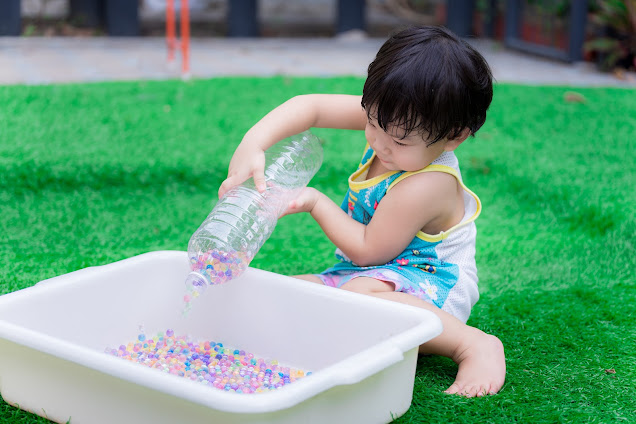
Play is one of the most effective ways to support brain development in young children. Simple learning ideas for toddlers include pretend play, singing songs, sensory play, and sorting games. These experiences support memory, creativity, and social skills while keeping learning enjoyable.
How Home Learning Complements What Children Experience in Nursery Settings
Children benefit most when home learning supports what they experience in early years settings. Nurseries in Wimbledon follow the EYFS framework, which values play, routines, and emotional wellbeing. Home routines naturally reinforce these foundations.
A Gentle Reminder for Parents: Learning Does Not Need to Feel Like Teaching
Children learn best when they feel relaxed and supported. There is no need to rush milestones or create structured lessons. Trust everyday moments and follow your child’s interests.
Give Your Child the Best Start with the Right Nursery
Want to make the most of everyday moments to support your little one’s growth? Trusted nurseries like Wimbledon Day Nursery can help. As a top choice for nurturing children’s confidence, emotional development, and curiosity, they show how home routines and nursery experiences can work hand-in-hand to help your child reach their potential.
Contact them today to find out more and see how they can support your child’s development.


Comments
Post a Comment